
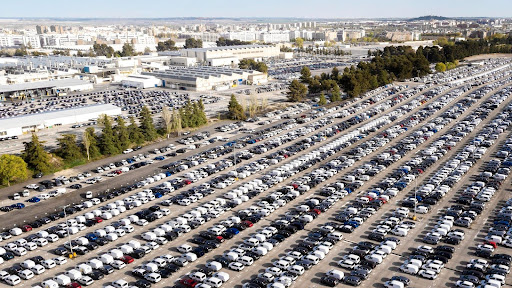
The landscape of the global car market is undergoing a fundamental transformation as Chinese automakers shift from trade to local production. Leading companies are no longer content with just shipping vehicles; they are now building comprehensive service networks and R&D centers abroad. This strategic evolution is designed to create a more resilient and sustainable international presence.
China’s dominance in the export market is clear, with three consecutive years as the world’s leading exporter. Last year’s 21.1% growth in shipments highlights the massive scale of their operations. While Chery and BYD are the most visible names, the export surge also includes vehicles manufactured in China by Ford and Tesla for global distribution.
Technological leadership in New Energy Vehicles is the primary catalyst behind these record-breaking numbers. According to industry experts, NEV exports are expected to drive the total volume to 7.4 million units this year. This shift reflects a broader global trend toward electrification, where China currently holds a significant manufacturing advantage.
The motivation for this aggressive overseas expansion is rooted in the limited growth potential of China’s domestic market. With annual sales hitting 34 million units, the local market is largely considered “tapped out” regarding high-volume increases. Therefore, building a global footprint is viewed as a structural necessity rather than a mere growth strategy.
To succeed, these companies are adopting the “multi-hub” approach used by established German and Japanese automakers. The goal is to rebalance production capacity and create a supply chain that is integrated into the local economy of each target market. This strategy not only increases efficiency but also helps Chinese brands blend into the local automotive fabric.