
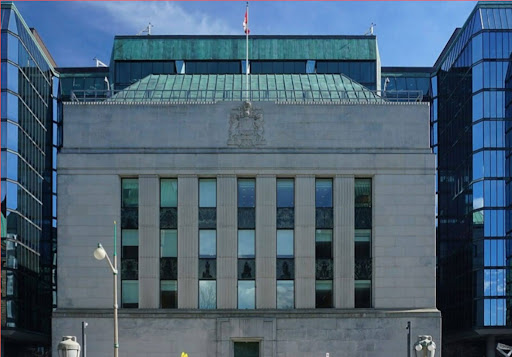
While Canadian interest rates are set to remain at 2.25 per cent this week, the rhetoric from the Bank of Canada is expected to sharpen. The ongoing war in the Middle East has disrupted global supply chains, pushing crude oil prices up by 40 per cent in just two weeks. This surge has forced the central bank to reconsider its previously neutral stance on future rate movements.
Historically, central banks prefer to ignore temporary commodity shocks, but the memory of the 2021 inflation surge remains fresh. Policymakers are now hyper-sensitive to “second-round effects,” where high energy costs bleed into the prices of everyday services. This sensitivity ensures that the Bank of Canada will remain vigilant, even if it chooses not to hike rates immediately.
Experts point out that the current economic environment is significantly different from the high-pressure situation of 2022. Back then, the economy was overheating with low unemployment and stimulative government spending. Today, there is more “slack” in the system, meaning the economy has the capacity to absorb some shocks without immediate overheating.
The scheduled expiration of carbon tax adjustments is another factor that will likely boost upcoming inflation readings. RBC Global Asset Management suggests that headline inflation will almost certainly move above the 3 per cent mark in the short term. This makes the Bank of Canada’s communication strategy vital to maintaining public confidence in the 2 per cent inflation target.
Ultimately, the Bank of Canada is playing a waiting game, balancing the need for growth against the risk of rising costs. The outcome of Middle East tensions and the stability of the Strait of Hormuz will dictate the bank’s next major move. For now, “caution” is the watchword as the bank monitors the ripple effects of global conflict.