
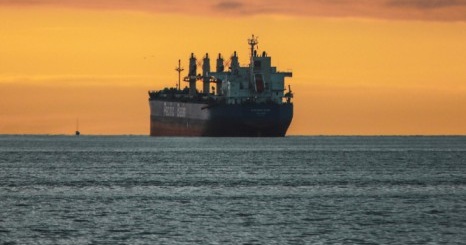
Global oil prices saw a notable decline on Friday following comments from US President Donald Trump, who hinted at the possibility of a peace agreement with Iran. This development stirred hopes for a reduction in tensions around the Strait of Hormuz. During trading, Brent crude prices momentarily dipped below $85 per barrel, a drop from the earlier week’s high of approximately $93, before settling around $87 to $89 as markets digested mixed messages from both Washington and Tehran.
The initial fall in oil prices was fueled by optimism that a diplomatic breakthrough could lead to the reopening of the Strait of Hormuz, a vital channel for the global transportation of oil and gas. However, the market’s recovery followed as uncertainty crept back in, driven by contradictory statements about the status of the negotiations from each side.
President Trump mentioned that military action against Iran had been put on hold due to positive developments in the discussions, although he refuted claims of a finalized deal. Meanwhile, Iranian officials acknowledged that talks were ongoing but confirmed that no definitive agreement had been reached yet.
Market analysts highlight the sensitivity of oil prices to political events, noting that prices can fluctuate sharply with news of potential conflicts or diplomatic advancements. While recent volatility has been evident, some financial experts anticipate a gradual stabilization of oil prices. This outlook is based on expectations of improving global supply conditions and the rebuilding of stockpiles, although forecasts remain uncertain due to persistent geopolitical risks and variable demand.