
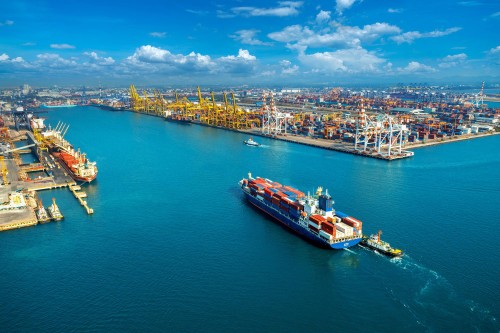
European Union officials are currently evaluating new restrictions on imports from China amid rising concerns about the bloc’s dependency on Chinese goods and the subsequent effects on European industries. The EU commissioners are meeting to assess how increased imports from China impact sectors such as manufacturing, agriculture, healthcare, technology, and defense. A significant influx of lower-cost Chinese products is feared to potentially undermine domestic industries, leading to industrial decline in various parts of Europe.
These discussions coincide with heightened attention to what some policymakers are calling “China Shock 2.0.” This term refers to the swift rise in Chinese exports, including electric vehicles, industrial machinery components, medical equipment, and consumer goods. Although no immediate decisions are anticipated, the talks aim to devise a coordinated European strategy before upcoming discussions among EU leaders.
Among the measures being considered are import quotas, tariff-rate quotas, and other trade safeguards that would protect sectors facing intense competition from heavily subsidized or lower-cost imports. Economic experts caution that the EU should carefully balance protective actions with continued engagement with China. Despite growing tensions, China remains one of Europe’s largest trading partners and an essential market for many European businesses.
Analysts highlight China’s focus on manufacturing growth and technological advancement, which could lead to escalating trade tensions with major export markets. Meanwhile, the EU is a critical market for Chinese exporters, especially in areas like electric vehicles and advanced manufacturing products. Any significant trade restrictions could provoke retaliatory measures from China, intensifying the stakes for both parties involved.
The ongoing discussions underscore Europe’s broader objective to bolster economic resilience while navigating its intricate trade relationship with China. As the EU seeks to manage this complex dynamic, it endeavors to safeguard its industries without severing crucial economic ties with a key trading partner.