
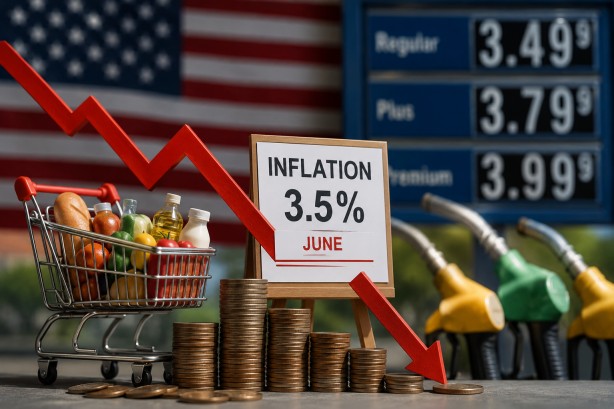
Inflation in the United States experienced a slowdown to 3.5% in June, primarily due to a temporary decrease in energy prices that helped ease overall consumer costs. According to the latest Consumer Price Index (CPI), inflation rates diminished following higher levels in preceding months, with a 0.8% reduction in prices compared to May. The decline was largely driven by reduced gasoline and fuel prices, which counterbalanced increases in expenses associated with food, housing, utilities, and other daily necessities.
Core inflation, a critical measure that excludes the volatile categories of food and energy, showed a modest decrease to 2.6% on a year-over-year basis. This metric is closely watched by the Federal Reserve as it considers its policy decisions. Despite the recent dip in inflation rates, analysts caution that this trend might be short-lived. Renewed geopolitical tensions in the Middle East have already triggered a rise in global oil prices, which in turn is increasing fuel costs for consumers and operational expenses for industries like aviation and transportation.
The Federal Reserve is set to evaluate the latest inflation data in conjunction with labor market conditions during its forthcoming policy meeting later this month. Although there has been a moderation in inflation, it remains above the central bank’s long-term target of 2%. This situation leaves open questions about the timing of potential adjustments to interest rates.
As the economic landscape continues to shift, the interplay between energy prices and broader consumer costs remains a critical factor for policymakers. The temporary relief in inflation seen in June offers some respite but the volatility in oil markets poses ongoing challenges. Consumers and businesses alike are keeping a close watch on developments that may impact their financial outlooks in the coming months.