
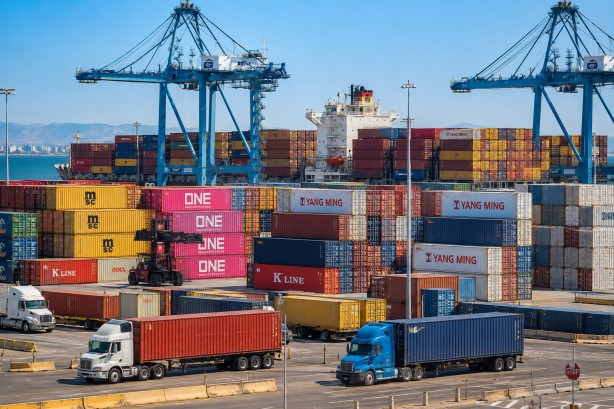
The U.S. government has initiated the reimbursement of approximately $100 billion in tariffs that were collected under the trade policies implemented during President Donald Trump’s administration. This move follows a Supreme Court ruling declaring a significant portion of these tariffs unlawful. The refunded amount represents about 60% of the $165 billion that had been amassed before the court’s determination. These tariffs, targeting imported goods, were a cornerstone of Trump’s trade strategy, which focused on bolstering domestic manufacturing, securing more favorable trade deals, and enhancing government revenue.
In the wake of the Supreme Court’s decision, the administration has returned the collected duties to the companies that were impacted. Despite these refunds, the federal budget deficit continues to expand, having reached $1.37 trillion within the first nine months of the fiscal year. This development underscores ongoing fiscal challenges as the government balances trade policies and budgetary constraints.
Adding to the complexity of the trade landscape, the Trump administration recently unveiled a new series of tariffs, ranging from 10% to 12.5%, on imports from over 80 countries. This list includes major economies such as India, China, the United Kingdom, Canada, Mexico, Australia, and the European Union. The administration justified these tariffs by citing issues related to products associated with forced labor, aiming to address ethical concerns in the global supply chain.
However, these new tariffs are already encountering legal resistance. A coalition of 25 U.S. states is challenging the measures, arguing that they unlawfully replace tariffs that were previously invalidated by the Supreme Court. This legal challenge highlights ongoing tensions and disputes surrounding trade policies and their implementation, as stakeholders continue to navigate the evolving regulatory environment.