
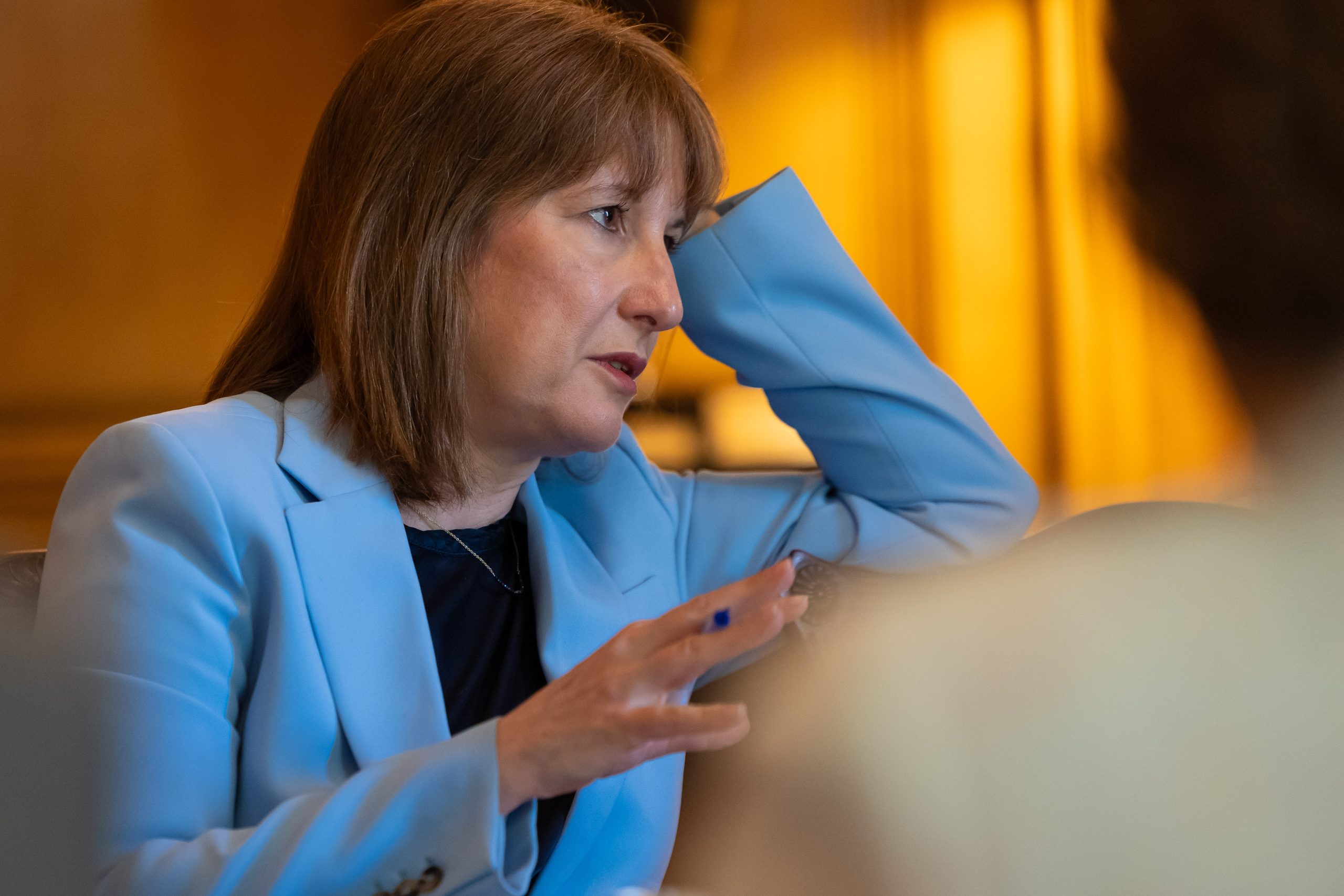
Chancellor Rachel Reeves introduced mileage-based charges for electric vehicles as part of a sweeping £26 billion tax increase package designed to stabilize public finances while funding cost-of-living relief measures. The announcement followed an extraordinary premature release of budget documents by the Office for Budget Responsibility, which published complete fiscal details an hour before the chancellor’s scheduled parliamentary presentation, causing immediate reactions in financial markets.
The chancellor defended her comprehensive fiscal strategy as essential for creating sustainable public finances while building a fairer society through targeted social investments. Reeves emphasized that her budget would reduce inflation pressures on families while funding critical infrastructure developments necessary for long-term economic growth. She acknowledged that all sectors would need to contribute to fiscal repair but argued the burden would be distributed equitably.
A politically significant element of the budget removes the two-child benefit cap, responding to months of pressure from Labour backbenchers and anti-poverty advocates. This policy change will lift 450,000 children out of poverty and represents the most substantial single-parliament reduction in child deprivation since government records began. The measure demonstrates the government’s commitment to social justice while maintaining overall fiscal discipline.
The revenue-raising strategy centers on a three-year extension of frozen personal tax thresholds generating £15 billion, supplemented by diverse measures including a £2,000 cap on pension contribution tax relief from 2029, increased gambling duties, the new distance-based electric vehicle charges, and a council tax surcharge on expensive properties. These combined actions address a £4 billion fiscal shortfall and create £22 billion in headroom against government borrowing rules, significantly exceeding expectations despite downgraded productivity forecasts and higher borrowing costs.
Household relief measures feature prominently in the budget, with energy bills set to fall by £150 annually through the removal of green levies, while rail fares, fuel duty, and prescription charges remain frozen. These interventions should reduce inflation by 0.3 percentage points from its current 3.6% level—the highest in the G7 and well above the 2% target. However, economic growth projections reveal challenges ahead, with 2026 forecasts revised downward from 1.9% to 1.4%, even as government borrowing is expected to decline substantially from 4.5% of GDP to 1.9% by decade’s end.