
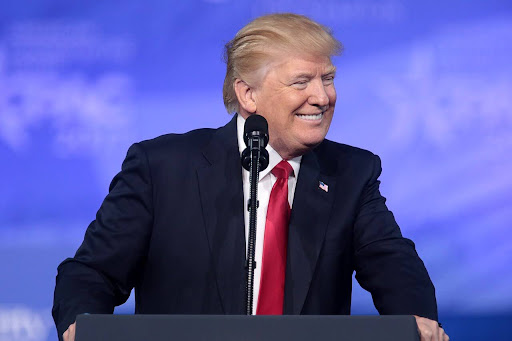
A dramatic reversal in global market sentiment occurred Monday after President Donald Trump announced a five-day postponement of American military strikes against Iranian energy infrastructure. The president credited in-depth conversations with Tehran over the preceding 48 hours, describing the discussions as detailed and constructive. Markets that had been pricing in imminent conflict quickly adjusted, sending European equities higher and commodities prices lower as traders reassessed geopolitical risks.
The backdrop to Monday’s developments involves a severe disruption to global energy supplies caused by Iranian actions in the Strait of Hormuz. Iranian forces have effectively blocked this critical shipping lane, which serves as the transit point for approximately one-fifth of the world’s oil and liquefied natural gas. Energy experts have described the resulting supply crisis as unprecedented in scale, combining elements of the 1970s petroleum shortages with the more recent disruptions caused by the war in Ukraine. International oil prices had surged to $119.50 per barrel earlier this month before Monday’s retreat.
Stock markets across Europe staged a remarkable recovery following Trump’s announcement. The FTSE 100 in London had dropped nearly 1.5% at the open but managed to climb back, though it still finished the session down 0.2%. Continental exchanges fared better, with Germany’s Dax rising 1.2%, Spain’s Ibex gaining 1%, and France’s Cac 40 advancing 0.8%. American indices were solidly positive by midday, trading more than 1% higher. Currency markets saw the dollar weaken 0.4% against major trading partners as demand for safe-haven assets diminished.
The energy complex registered substantial declines across multiple products. Brent crude oil, the global benchmark, tumbled 10% to reach $101 per barrel, representing a dramatic pullback from recent highs. British natural gas futures fell 6% to 142 pence per therm. Equity investors sold shares in major oil producers, driving BP and Shell down more than 3% despite the generally positive market tone. Gold also declined 2.5% to $4,388 per ounce as reduced geopolitical anxiety lessened its appeal relative to yield-bearing investments.
The temporary pause in hostilities creates space for continued negotiations, though the underlying tensions remain acute. Tehran has threatened massive retaliation against regional infrastructure, including water systems, should American attacks proceed. British Prime Minister Keir Starmer responded to the situation by convening an emergency Cobra session with key ministers and Bank of England Governor Andrew Bailey to coordinate economic responses. UK government bond yields eased slightly, with the 10-year rate falling to 4.95% after breaching 5% last week for the first time since the 2008 financial crisis. Domestic political pressure continues to build for intervention to help households manage anticipated 20% increases in energy costs when existing price caps expire at the end of June.